
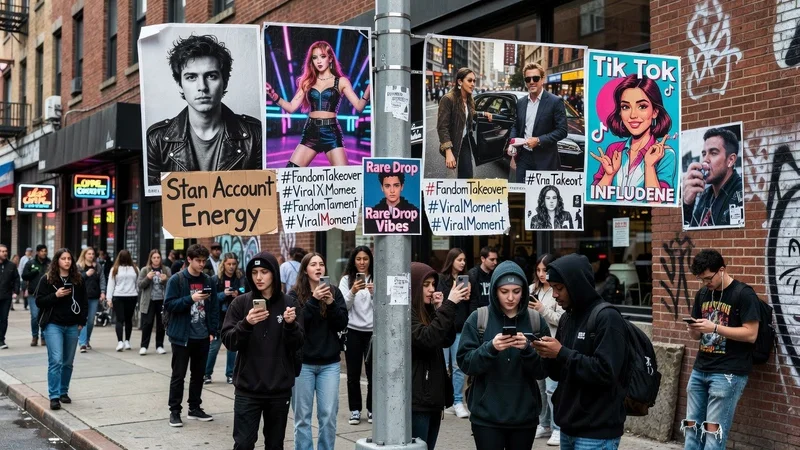
Case Studies: Unconventional Trends and Communities Inspired by Celebrity Culture
Unusual online communities and unconventional trends often start with a single post or rumor about a celebrity—then grow into vibrant digital subcultures. Consider the meteoric rise of “mukbang” eating shows, initially tied to Korean internet stars, now a global online ritual with millions participating or spectating daily. Fandoms devoted to specific styles (goblincore, Barbiecore, or the resurgence of emo fashion) owe their initiation to celebrities signaling support or simply being caught in a passing trend.
For example, the demand and trading of unique products such as dirty used panties vividly demonstrate how celebrity-endorsed trends or rumors can foster entirely new communities online. This phenomenon reveals how a single appearance or offhand celebrity endorsement can dramatically reshape the contours of internet commerce and social interaction, propelling curiosity or desire into full-fledged digital economies.
These micro-markets and fan-driven hubs often take on a life of their own, gathering members who may start as fans but develop into creators, traders, and influential figures within their community. From custom art influenced by K-pop aesthetics to forums dedicated to footwear worn by athletic icons, celebrity culture continually stretches the boundaries of digital engagement and commerce.
Viral Trends: From Celebrity Endorsement to Online Movements
One post or story from a globally recognized figure can ignite a viral wave in minutes. In 2023, the “Wednesday Dance” challenge, inspired by Jenna Ortega’s performance, saw over 50 million TikTok recreations within two weeks. When Zendaya adopted vintage fashion looks in her personal posts, online marketplaces noted a 32% spike in related searches within days. The pattern repeats: a gesture, phrase, or even emoji used by a star becomes adopted language, attire, or behavior in communities worldwide.
This rapid adoption happens due to several reasons. First, the parasocial relationships cultivated by celebrities on social channels mean that followers view them almost as friends or role models. Second, the algorithmic logic of digital networks amplifies content with high engagement, increasing the probability that celebrity-led memes, challenges, or hashtags will dominate feeds. Finally, there is the aspirational pull: fans join in on trends not only for entertainment, but for a sense of belonging in the digital crowd and proximity to the object of their admiration.
Celebrity-driven trends are no longer limited to mainstream interests. Subcultures, challenges, or sustainable brands championed by stars can prompt grassroots environmental campaigns, spark demand for obscure music genres, or revive overlooked aesthetics. This effect extends far beyond fan engagement, shaping entire cultural landscapes online.
Birth and Growth of Niche Communities Online
Digital celebrity culture not only spawns mass trends—it multiplies niche communities. From fashion microtrends like “coquette core” sparked by pop icons, to foodie tribes following a celebrity chef’s weekly posts, stars act as magnets and organizers for specialized interest groups across the internet.
The mechanics behind this evolution are multifaceted. Social network algorithms recommend content based on subtle patterns in user interaction, pushing like-minded individuals toward each other. For example, “Stan Twitter” formed as fans of specific artists began using coordinated tags and inside references, resulting in self-organized digital factions with thousands of participants. In Japan, idol culture drives the formation of communities around J-pop groups, with each faction developing its own jargon, customs, and fan-made merchandise.
Micro-communities also gravitate around distinctive celebrity interests: niche hobbies, emerging tech, vintage collectibles, or even lifestyle choices. The “BookTok” trend—fueled by authors and celebrities recommending obscure novels—demonstrates how diverse digital tribes arise, each with unique codes of conduct, content formats, and in-jokes. Some communities remain lighthearted, while others coalesce around highly specific passions, sparking the creation of micro-markets for custom gear, digital art, or fanfiction.
Self-organization is critical here. Participants curate, remix, and expand on foundational celebrity content, blurring the line between creator and audience. This fluidity distinguishes digital communities from static fan clubs of the past, making them adaptive and resilient to shifts in mainstream attention.
The Double-Edged Sword: Risks and Responsibilities in Celebrity-Driven Trends
Not all outcomes of online celebrity influence are positive or benign. Viral trends and highly engaged communities also entail risks—both for audiences and for the stars themselves. Over the past five years, researchers have documented significant increases in online bullying, doxxing, and mental health challenges directly tied to toxic fandom behaviors. When personalities stoke controversial debates or amplify misinformation, millions may be swayed within hours, crystallizing false narratives and driving real-world consequences.
Celebrities face their own dilemmas. In 2024, a well-known musician faced a lawsuit after their fashion endorsement inadvertently promoted counterfeit goods, highlighting the legal and ethical minefields intertwined with digital trends. Social pressure often demands responsiveness to audience expectations—sometimes at the expense of privacy or personal values.
Navigating these challenges requires transparency, self-awareness, and proactive moderation, not just from celebrities but also from the administrators and creators driving fan-driven spaces. As digital influence grows, so does the imperative for both ethical conduct and digital literacy among all participants in the trend cycle.
Conclusion: The Future of Online Trends and Communities Under Celebrity Influence
Looking ahead to 2026 and beyond, it is clear that celebrities will remain primary drivers in the evolutionary path of online communities and digital trends. Their ability to bring together diverse audiences and inspire mass participation defines the tempo and temperature of internet cultures worldwide. At the same time, technology will continually amplify both the scale of these movements and the sophistication with which they operate.
The next chapter in celebrity culture will likely see the rise of even more specialized, decentralized communities—each linked by common admiration or curiosity, but shaped by complex interactions among fans, creators, and businesses. Artificial intelligence, immersive media, and ever-evolving social tools are poised to deepen this connection, dissolving remaining boundaries between audience and icon.
What will not change is the fundamental power celebrities wield in setting agendas, launching trends, and inspiring dedicated collectives. Whether guiding positive change or sparking contentious debates, they represent a cultural force that cannot be ignored—the engine behind the endless reinvention of online life.